

How to Protect Your Propane System During a Hurricane
When a hurricane is headed your way, there’s already a lot to think about. If your home or property uses propane, taking a few simple steps before the storm can help protect your propane system.
Hurricane season typically starts in June and lasts through November, with peak activity from mid-August through October. The best time to prepare is before a storm is in the forecast.
The safety guidance in this article follows the propane safety recommendations of the Propane Education & Research Council. For additional information on preparing for hurricanes and other severe weather, visit Propane.com/Safety.
Here Is a Quick Look at What Is Covered:
Before a Hurricane
- Secure your propane tank and equipment.
- Check your propane supply.
- Know what propane smells like.
- Know how to shut off your propane.
- Install carbon monoxide and propane gas detectors.
- Consider a propane standby generator.
- Create an emergency preparedness plan.
During a Hurricane
- Follow evacuation orders.
- Shut off your propane.
- Use generators and outdoor appliances safely.
- Stay calm and stay informed.
After a Hurricane
- Look for signs of damage.
- Contact your propane supplier if your tank was damaged.
- Inspect water-damaged appliances and equipment.
- Have your propane system inspected before use.
At Any Time
- Know what to do if you smell gas
Before a Hurricane: Get Prepared
The right preparation can help reduce potential risks and help you feel more confident about managing your propane system throughout the storm. Start by checking your propane system and securing anything around it that could become a hazard in high winds or flooding.
Secure Your Propane Tank and Equipment
If your property is in a flood zone or an area with a high-water table, aboveground and underground propane tanks may need to be securely anchored to prevent them from shifting or floating. Anchoring is addressed in NFPA 58, the Liquefied Petroleum Gas Code, which many state and local jurisdictions adopt into law. Do not attempt to anchor or reposition a tank yourself. Contact your propane supplier, who can assess your installation and, if time allows, may be able to move the tank to higher ground.
Make sure the area around your propane tank is clear. Bring in or tie down outdoor items such as patio furniture, grills, tools and decorations. During a hurricane, loose objects can become airborne and damage your tank, gas lines or other equipment.
Check Your Propane Supply
Keep an adequate supply of propane in your tank. During and after a major hurricane, propane and other types of fuel may not be readily available, and roads leading to your home or farm might not be accessible for delivery.
Auto Fill and tank monitoring take the guesswork out of storm season. With a tank monitor, you and Ferrellgas can see your propane level in real time, so a refill can be scheduled before weather makes delivery difficult.
Text ORDER to 573-207-5975* or log in to MyFerrellgas.com to place an order if you are running low.
Know What Propane Smells Like
Make sure you and everyone in your household know what propane smells like. Propane has a strong, unpleasant odor, often compared to rotten eggs, a skunk’s spray or a dead animal.
Propane is naturally odorless. An odorant is added so that you can detect a leak by smell. Do not rely on your sense of smell alone. Some people have a reduced ability to smell propane because of age, illness, medication, alcohol or tobacco use. In rare cases, propane can lose some of its odor, including when it passes through soil or when there is air, water or rust inside a tank or cylinder. Treat even a faint gas odor as an emergency.
Know How to Shut Off Your Propane
Know how and where to shut off your outdoor propane supply and your indoor propane appliances before you need to. Make sure everyone in your household knows where the main gas supply valve on your propane tank is located.
If your gas comes from a metered pipe system, contact your propane supplier for instructions on how to shut off the gas.
Install Carbon Monoxide and Propane Gas Detectors
Install UL-listed carbon monoxide alarms on every level of your home and test them before hurricane season. You cannot see or smell carbon monoxide. If anyone shows symptoms of carbon monoxide (CO) poisoning, including headache, dizziness, fatigue, shortness of breath or nausea, get everyone out of the building and call 911.
Propane gas detectors provide an additional measure of security. Consider installing one or more UL-listed propane gas detectors, and follow the manufacturer’s instructions for installation, location and maintenance.
Consider a Propane Standby Generator
Hurricane season is the right time to think about backup power, because a standby generator has to be sized, permitted and professionally installed well before a storm is in the forecast. A propane standby generator starts automatically within seconds of an outage and draws from your propane tank, so there is no fuel to store, haul or refill in the middle of a storm.
Propane also makes a practical standby fuel because, when stored correctly, it does not degrade over time the way gasoline and diesel do. A home standby generator typically burns two to three gallons per hour, so tank size matters. Ask your propane supplier to help size both the generator and the tank for the appliances and circuits you want to keep running.
If you already have a generator, portable or standby, review the safe operation guidance in the During a Hurricane section below before you need it.
Create an Emergency Preparedness Plan
Create an action plan and review it with everyone in your family. Post a list with contact information for your propane supplier and emergency services, including the fire department, along with instructions for turning off your propane, electricity and water.
Save your propane supplier’s number in your phone before the storm. Ferrellgas customers can reach a Customer Service Professional at 888-337-7355.
Keep working flashlights, batteries and a battery-powered way to receive weather updates in an easy-to-find place. Review your storm preparations with your propane supplier and your other utility providers, and let them know about any special needs in your household.
During a Hurricane: Stay Safe
Prioritize your safety during the storm. Propane equipment and property can be replaced, but you should never put yourself at risk to inspect or protect them. Follow instructions from local officials and avoid propane-related tasks until conditions are safe.
Follow Evacuation Orders and Avoid Propane System Risks
Listen to local authorities, television or radio stations to determine whether you need to evacuate your home or farm. If you are told to evacuate, leave as directed. Do not stay behind to monitor your propane tank or other property.
If you remain at home, avoid unnecessary risks. Do not attempt to inspect, move or adjust your propane system while high winds, flooding or lightning are present.
Shut Off Your Propane
If a hurricane threatens your safety, shut off the gas if it is safe to do so. To close the main gas supply valve on your propane tank, turn it to the right (clockwise). You may also need to turn off the gas supply valves near individual indoor appliances.
If you turn off your propane, contact a qualified service technician to inspect your propane system before turning it back on. Do not attempt repairs yourself, and never try to modify or repair valves, regulators or other appliance parts.
Use Generators and Outdoor Appliances Safely
Never use outdoor propane appliances indoors or in enclosed areas, particularly during a power outage. This includes outdoor portable heaters, barbecue grills and portable generators. Using these appliances indoors can result in carbon monoxide poisoning or death.
Operate propane-powered generators outdoors only, at least 20 feet from your home and pointed away from doors, windows and vents. Never use a generator in a garage, basement, crawl space, shed, tent or other enclosed space. Only use appliances indoors that are designed and approved for indoor use.
Never use a gas oven or range-top burners to provide space heating.
Never store, place, or use a propane cylinder indoors or in enclosed areas such as a basement, garage, shed, or tent.
If using Blue Rhino propane cylinders, ensure to read and follow the safe-use instructions printed on the sleeve.
Stay Calm and Stay Informed
Use sound judgment. During a hurricane or other severe weather event, staying calm can help you avoid unnecessary risks and protect your family and home.
Stay informed and connected through radios, television and telephones. Follow instructions from local authorities, and contact your propane supplier or local fire department if you have questions. Ferrellgas customers can call 888-337-7355, log in to their MyFerrellgas account for delivery information or visit our propane safety page for safety resources.
After the Hurricane: Use Caution
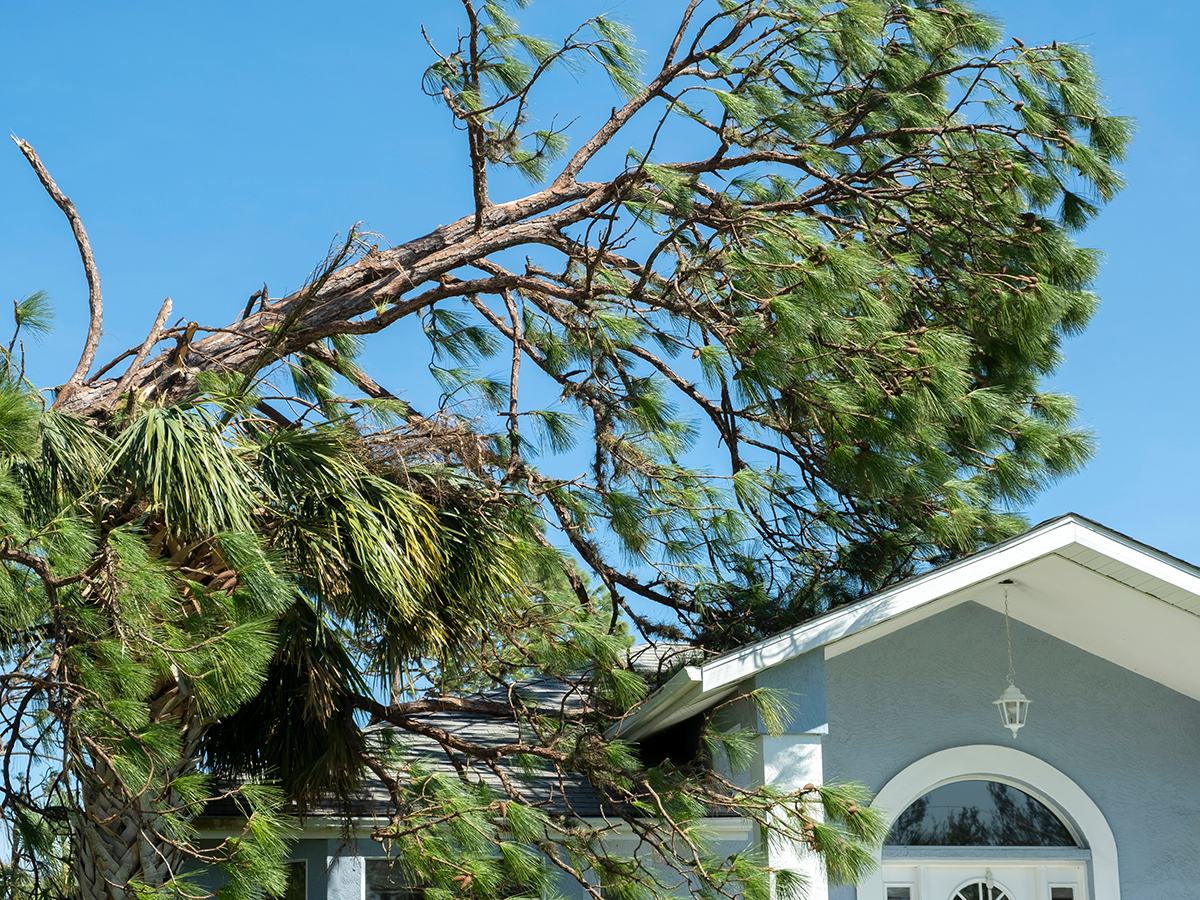
Once the storm has passed, take a moment to assess your surroundings. Hurricane damage is not always immediately visible, and flooding, high winds, fallen trees and debris may have affected your property or propane system.
Do not walk or drive through standing floodwater, and stay off saturated ground above a buried tank or gas line. Water can hide shifted equipment, damaged piping and other hazards.
Floodwaters can shift or dislodge propane tanks, while water and debris may damage regulators, controls and other equipment. A large propane tank can become dislodged from its service line and float away, striking trees, vehicles or other heavy objects along its path. Fallen trees, damaged structures and downed power lines can create additional hazards around your property.
Before approaching your propane equipment, take a careful look at the surrounding area. Do not attempt to move, reconnect or repair a propane tank or other propane equipment yourself. If you notice damage or anything that appears out of place, contact your propane supplier for assistance.
If you have concerns about the safety or structural integrity of your property, leave the area and have it inspected by a qualified building inspector or structural engineer before re-entering. If you need light while assessing your property, use a flashlight rather than candles or other open flames.
Look for Signs of Damage
After the immediate danger passes and it is safe to do so, check the area for downed power lines, damaged gas lines or damage to your propane tank. High winds and flooding can move, shift or damage gas lines and tanks. If it is dark, use flashlights, not candles.
From a safe distance, look for damage to your propane tank, gas lines, appliances and other equipment. Immediately call your local utility company, propane supplier or emergency services if you see any of the following:
- Downed power lines.
- Damaged, disconnected or exposed gas lines.
- A propane tank that has shifted, tipped over, floated from its original position or become dislodged.
- Damage to the tank, valves or regulators.
- Flooding that has reached propane equipment or appliances.
- A strong propane smell or hissing sound.
If you find a propane tank on your property that is not yours, or if your propane tank has become dislodged or is missing, contact your propane supplier or local fire department immediately.
Do not attempt repairs yourself. If you smell propane or suspect a leak, follow the steps in the If You Smell Gas section below.
Contact Your Propane Supplier if Your Tank Has Been Damaged
Contact your propane supplier if your tank or propane system has been damaged, moved or exposed to floodwater. Your supplier can help determine what needs to be inspected, repaired or replaced before service is restored. Ferrellgas customers can call 888-337-7355 or contact Ferrellgas online for help with deliveries, account questions and propane service.
Inspect Water-Damaged Appliances and Equipment
Inspect your propane appliances for water or other damage if it is safe to do so. If appliances have electric components and have been exposed to water, they can create a fire hazard.
Never turn on a light switch, use any power source or inspect household appliances while standing in water. This can result in electrocution.
Inspect chimneys, flue pipes and vent connectors for damage, blockage or debris before any propane appliance is used again.
Do not use or attempt to refill a portable propane cylinder that has been submerged in floodwater. Take it to your propane supplier or a qualified dealer for inspection or replacement.
Never use or operate appliances, equipment or vehicles, or turn on the gas supply, until your system has been inspected by a qualified service technician. Do not attempt repairs yourself.
Have a Qualified Service Technician Inspect Your Propane System
Schedule a complete inspection with a qualified service technician if you suspect any propane appliances, equipment or vehicles have been underwater or damaged, or if you have turned off your gas supply. The technician can also perform a leak test on your system and relight your pilot lights.
Never turn on the gas supply or operate appliances, equipment or vehicles until your system has been inspected by a qualified service technician.
At Any Time: If You Smell Gas
Propane leaks can happen before, during or after a storm. If you notice a propane odor inside or outside your home, take action immediately.
- No flames or sparks. Immediately put out all smoking materials and other open flames. Do not operate lights, appliances, telephones or cell phones. Flames or sparks from these sources can trigger an explosion or fire.
- Leave the area immediately. Get everyone out of the building or area where you suspect gas is leaking.
- Shut off the gas. If it is safe to do so, turn off the main gas supply valve on your propane tank. To close the valve, turn it to the right (clockwise).
- Report the leak. From a neighbor’s home or another building away from the leak, call your propane supplier. Ferrellgas customers can call 888-337-7355. If you cannot reach your propane supplier, call 911 or your local fire department.
- Do not return to the area. Stay away until your propane supplier or emergency responders determine it is safe.
- Have your propane system checked. Before using propane appliances again, have your propane supplier or a qualified service technician inspect the entire system and confirm it is leak-free.
The Bottom Line
Hurricanes can change course and intensity quickly, but a little preparation can help reduce risks and make recovery easier. Secure your equipment, maintain an adequate propane supply, know how to shut off your propane, follow local emergency guidance and have your system inspected before turning it back on after a storm.
This information is general guidance and does not replace instructions from local emergency officials, your appliance manufacturer or a qualified propane service technician. Requirements and conditions vary by location. Always follow the direction of local authorities during a storm.
Prepare Your Propane Supply
Before the Storm
*By texting ORDER, you agree to receive automated promotional text messages. Message and data rates may apply. Up to 50 messages per month. Reply STOP to unsubscribe or HELP for assistance. Messages are sent via automated systems. Delivery is subject to carrier availability. If you have pay-in-advance terms, you will be asked to pay using a secure link we will send from 573-207-5975.
CATEGORIES
Archives
- Fall 2026
- Summer 2026
- Spring 2026
- Winter 2025
- Fall 2025
- Summer 2025
- Spring 2025
- Winter 2024
- Fall 2024
- Summer 2024
- Spring 2024
- Winter 2023
- Fall 2023
- Summer 2023
- Spring 2023
- Winter 2022
- Fall 2022
- Summer 2022
- Spring 2022
- Winter 2021
- Fall 2021
- Summer 2021
- Spring 2021
- Winter 2020
- Fall 2020
- Summer 2020
- Spring 2020
- Winter 2019
- Fall 2019
- Summer 2019
- Spring 2019
- Winter 2018
- Fall 2018
- Summer 2018
- Spring 2018
- Winter 2017