

How to Tell If Your Propane Tank Needs to Be Recertified
Whether used for grilling, outdoor appliances, or backup energy, portable propane tanks are designed to deliver safe and reliable performance through every season. Proper inspection and recertification(also known as requalification) help ensure your propane tank continues to operate safely. As a trusted propane supplier, Ferrellgas makes it easy to understand when your tank needs to be recertified and where to take it for service.
How Long Do Portable Propane Tanks Last?
The date of manufacture and requalification details can help determine when service is needed to stay compliant and safe. According to U.S. Department of Transportation (USDOT) guidelines, most portable propane cylinders are qualified for 12 years from the date they were manufactured. After 12 years, they must be requalified before they can be refilled. Once a cylinder is requalified the first time, it typically needs to be requalified again every five years.
Do Propane Tanks Expire?
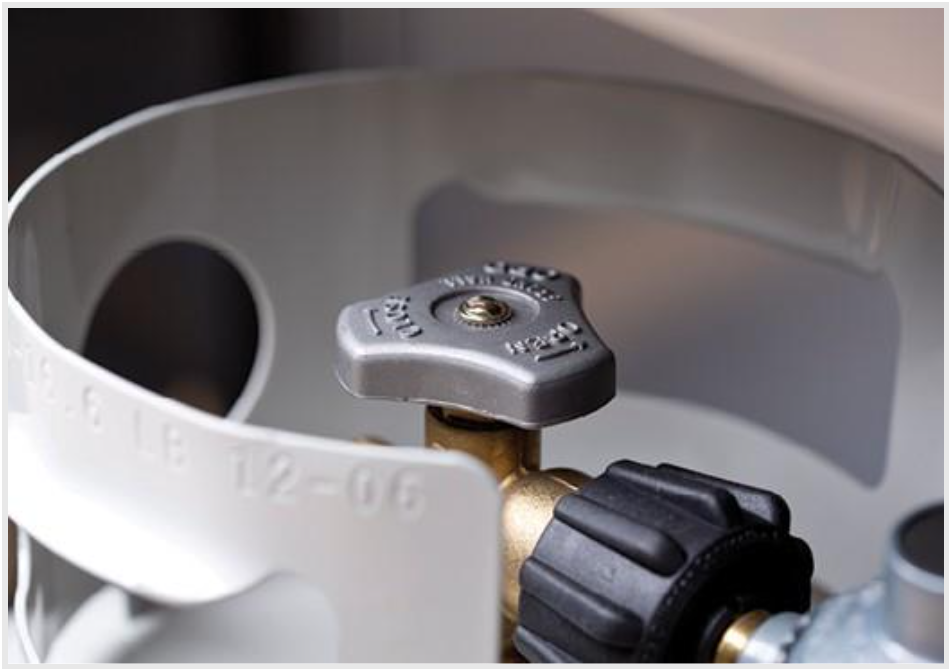
Propane tanks don’t technically expire. Instead, they must be inspected and recertified to ensure they continue to meet safety standards. The easiest way to check whether your small propane tank needs recertification (also known as requalification) is to inspect the markings on the collar or handle of your propane tank for a series of letters and numbers stamped into the metal. This is where you’ll find the original manufacturing date and, if it’s been recertified, the most recent inspection date. These help you determine when your tank was last certified and how much time you have left before it needs recertification or replacement.
How to Read a Propane Tank’s Recertification Code
The stamped information on your propane tank provides several key details. Together, these markings help confirm your propane cylinder’s age, service history, and requalification status.
- Manufacturing date: Usually listed in “month-year” format, such as “07-22” for July 2022.
- Serial number: A unique identifier, similar to a vehicle identification number (VIN), that distinguishes your tank from others so propane suppliers can track it for safety records.
- TW (Tare Weight): Indicates the empty weight of the tank, which helps estimate how much propane is left.
- WC (Water Capacity): The total water volume the tank can hold, which propane companies use to calculate the safe propane fill level.
- RIN (Requalifier Identification Number): If your tank has been requalified, you’ll find the inspector’s ID and requalification date.
Where Can I Find the Requalification or Recertification Date?
Your portable propane tank’s recertification date is stamped on the tank near the handle or valve. It often includes a combination of letters and numbers. For example, a tank with a recertification date of RIN 123456A 0107E would be interpreted as:
- “RIN 123456A” identifies the requalifier.
- “0107” means the tank was requalified in January 2007.
- “E” indicates that a visual inspection was completed.
Where Can I Get My Small Propane Tank Requalified or Recertified?
If your tank is due for requalification, you have options:
- Visit a local Ferrellgas office: Participating locations will safely inspect and requalify your propane tank. Availability varies, so be sure to contact your local team before visiting.
- Exchange at a Blue Rhino retailer: When you exchange an empty tank for a new one, Blue Rhino manages the requalification process.
Unwanted or outdated propane tanks can also be dropped off at select Ferrellgas locations and Blue Rhino retailers.
Safe Practices for Propane Tank Requalification
You should regularly inspect your portable propane tank for signs of damage, such as dents, bulges, cracks, or a valve that’s loose or isn't operating correctly. Also look for rust, potential leaks, or any areas where the tank appears misshapen. If you notice any of these things, bring your tank to an eligible Ferrellgas location for professional inspection, or exchange it at a participating Blue Rhino retailer.
Keeping your propane tank up to date with requalification is another important safety step. Trusted propane suppliers like Ferrellgas follow national safety standards for tank inspection and quality. Blue Rhino exchange tanks are cleaned, leak-tested, and inspected to meet these same standards, so you can swap your cylinder with confidence.
Propane Solutions for Homes, Appliances, and Outdoor Living
If your propane needs extend beyond small tanks, our team can also support with propane tank installation for home heating, large appliances, or multi-purpose outdoor living applications. Our employee-owners are dedicated to helping you enjoy the benefits of propane safely and confidently — whether you’re managing propane delivery, scheduling a tank installation, or replacing a cylinder.
Find Your Nearest
Ferrellgas Location
CATEGORIES
Archives
- Spring 2026
- Winter 2025
- Fall 2025
- Summer 2025
- Spring 2025
- Winter 2024
- Fall 2024
- Summer 2024
- Spring 2024
- Winter 2023
- Fall 2023
- Summer 2023
- Spring 2023
- Winter 2022
- Fall 2022
- Summer 2022
- Spring 2022
- Winter 2021
- Fall 2021
- Summer 2021
- Spring 2021
- Winter 2020
- Fall 2020
- Summer 2020
- Spring 2020
- Winter 2019
- Fall 2019
- Summer 2019
- Spring 2019
- Winter 2018
- Fall 2018
- Summer 2018
- Spring 2018
- Winter 2017