

The Propane Efficiency Checklist: How to Make the Most of Every Gallon
Getting the most from propane comes down to two things: smart habits at home and a dependable propane provider. When those come together, your propane system delivers consistent comfort, reliable appliance performance, and long-term value across every season.
This propane efficiency checklist walks through practical steps you can take to manage propane usage, maintain your system, and work effectively with your propane supplier. Ferrellgas brings together a nationwide supply network and delivery service options designed to fit different households, so you can focus on enjoying your home while we handle the rest.
- Check Your Propane Tank Level – A quick look at your tank gauge can help you plan and manage propane use with confidence.
- Maintain Your Propane System and Tank – Simple maintenance steps help your system operate efficiently and stay accessible for safe service.
- Improve Home Energy Habits – Small changes in everyday routines can help you spend energy more wisely throughout your home.
- Consider Upgrading Your Propane Equipment – Learn when upgrading or adding propane appliances may support better efficiency and flexibility, plus how to size your tank for current and future appliance loads.
Why Propane Efficiency Matters Year-Round
Efficient propane use helps support comfort, reliable appliance performance, and safe operation across seasons. When systems are properly maintained and used as intended, propane can deliver steady performance for heating, hot water, cooking, and outdoor living.
Efficiency is not just about equipment. It also includes everyday habits, routine system care, and knowing when to check your propane level or contact your propane company for support.
Check Your Propane Tank Level Regularly
Most propane tanks have a gauge located under the tank dome that displays the percentage of propane remaining. For example, a reading of 40% means your tank is 40% full. Because propane expands when heated, your tank will never be filled to 100% for safety reasons. Tanks are instead filled safely to maximum capacity, which is 80%. A 500-gallon tank, for example, can safely hold up to 400 gallons of propane.
Because propane naturally expands and contracts with temperature changes, gauge readings may vary slightly based on weather conditions. Keeping an eye on your propane tank level is one of the simplest ways to understand your usage and plan accordingly. If you use Will Call delivery service, order when your tank level reaches 30% or at least 7 business days before you anticipate needing propane.
This is especially important for anyone self-managing their propane orders. To place an order, customers can text ORDER to 573-207-5975**, log in to MyFerrellgas.com, or call 888-337-7355.
For greater peace of mind, customers can enroll in our Auto Fill delivery service,* which takes the guesswork out of ordering propane. Ferrellgas uses local weather data and your unique usage patterns to estimate when you're ready for a fill, then automatically schedules it for you. This service can also be paired with a digital tank monitor,* giving you confidence and convenience with our most precise delivery planning.
*Qualification and active credit status are required for Auto Fill service. Availability and cost of digital tank monitors may vary by location.
Keep Your Propane System in Good Working Condition
Properly maintaining your propane system supports performance and dependable comfort throughout the year. Regular attention to your propane tank, connected equipment, and surrounding area helps ensure your system operates safely and efficiently.
Caring for Your Propane Tank
Becoming familiar with the key parts of your propane system and knowing how to properly care for your tank can help identify and prevent potential issues. Propane is stored in pressurized tanks designed for safe outdoor use, either above ground or underground. No matter where your tank is located, routine upkeep helps support both safety and efficiency.
Key propane tank maintenance tips include:
- Keep a clear safety perimeter: Remove dry leaves, grass, brush, wood, and debris from at least 10 feet around the tank to reduce fire risk and allow safe access for deliveries and inspections.
- Maintain clear access year-round: Clear snow, ice, debris, and overgrown vegetation so Delivery Drivers can safely and efficiently complete deliveries in any season.
- Visually check the tank: Regularly check for signs of rust, dents, or visible damage. If you see anything concerning, do not attempt repairs yourself and instead contact a qualified professional.
- Keep your tank in good condition: Tank maintenance typically includes routine inspections, cleaning, and necessary repairs. This work should be done by a qualified professional, and some propane suppliers will cover it for customers who lease their tank.
- Call before you dig: Before landscaping or construction projects, contact 811 to help you locate underground utility lines such as electricity, water, and sewer. A local professional service or your propane provider can identify where propane lines are buried. These steps help avoid accidental damage.
- Store smaller tanks properly: Propane cylinders should always be stored outdoors in an upright position and at least 10 feet away from buildings and combustible materials. Proper ventilation is necessary for safe operation, so never use or store cylinders in enclosed spaces such as basements, garages, sheds, or crawl spaces.
Cleaning and Maintaining Propane-Powered Appliances
Propane-powered appliances, such as heating systems, water heaters, ovens, ranges, dryers, fireplaces, and outdoor equipment, also contribute to overall system efficiency. Appliances that are clean and properly maintained tend to operate more smoothly and consistently.
Helpful appliance maintenance steps include:
- Regularly clean or replace filters as recommended and visually inspect appliance connections for signs of wear.
- Ensure all propane appliances are well-ventilated, especially when used in enclosed spaces. Follow guidelines for safe propane use indoors, such as never using a grill or stove for space heating. This also applies to propane heaters unless they are approved for indoor use.
- If you have a propane generator, schedule maintenance to inspect fuel lines, change the engine oil, and replace filters as needed. Double-check that you have enough fuel supply for emergencies.
- If you have a propane pool or a spa heater, fire pit, grill, or other outdoor appliance, perform a maintenance check to inspect for damage and wear. Consult your owner’s manual for instructions on how to clean your equipment. If repairs are needed, always contact a qualified professional.
- If appliances have not been used for an extended period or if your usage changes seasonally, you may want to schedule an inspection. Only qualified professionals should assess your equipment to confirm it is operating as intended.
Including propane appliances in your home care routine can help support efficient operation across every season. Regular maintenance also plays an important role in safety, helping ensure propane systems and appliances continue operating as intended throughout the year, as outlined in propane industry safety guidance.
Important Safety Reminders
Thanks to an added chemical called ethyl mercaptan, propane has a strong “rotten egg” smell, which makes identifying leaks easier. If you smell gas or suspect a leak, act immediately. Leave the area right away, ensuring that everyone else does the same. Once you are at a safe distance, call 911 and Ferrellgas at 888-337-7355. Our team will respond as quickly and safely as possible. If it is safe to do so, turn off the main gas supply valve on your tank by turning the hand wheel clockwise until it stops. Do not return to the area until a professional has confirmed it is safe.
For more information about propane safety, visit our resources page and review this Propane Safety Brochure.
Improve Home Energy Habits
Optimize Your Thermostat and Appliance Settings
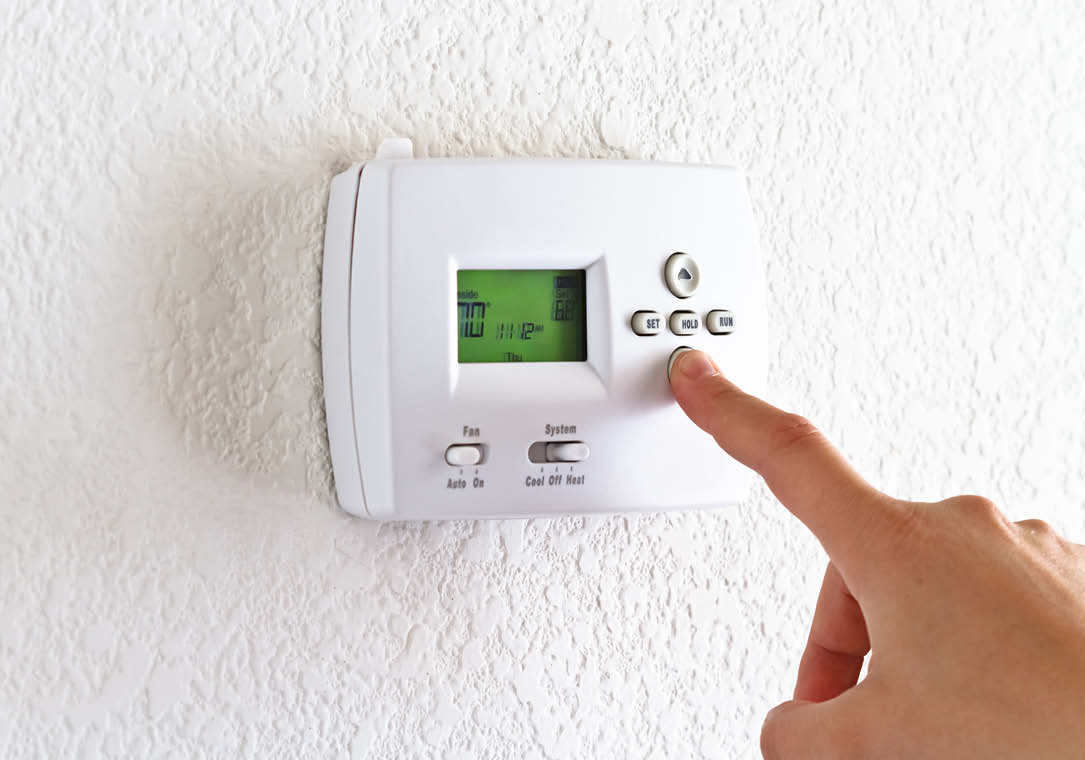
Thermostat settings have a direct impact on energy use. Guidance from the U.S. Department of Energy (DOE) shows homeowners can save up to 10% a year on heating and cooling by adjusting the thermostat 7°–10°F for about eight hours a day, such as when sleeping or away from home. Using a programmable or smart thermostat can help manage these adjustments automatically without sacrificing comfort. Most programmable and smart thermostats are compatible with propane heating systems, making it easy to fold this habit into a propane-powered home.
Other helpful thermostat and appliance tips from the DOE include:
- Set winter temperatures around 68°F to 70°F when awake and lower them overnight or when away.
- Raise thermostat settings during warmer months when the home is unoccupied, and cool to the highest comfortable setting when the house is occupied.
- Avoid large thermostat changes throughout the day. Instead, make gradual adjustments to help systems operate more smoothly.
- Keep in mind that setting the thermostat significantly higher or lower will not speed up heating or cooling and may increase energy use.
A practical note: do not lower your thermostat so far that indoor temperatures drop low enough to put pipes at risk of freezing, particularly in colder climates or when you are away for extended periods. The DOE recommends keeping your home at a safe minimum temperature, which will vary based on factors such as climate, pipe location, insulation, and home construction.
Propane-powered appliances also benefit from proper settings. For example, water heaters often operate efficiently at 120°F, which is typically sufficient for household needs. The DOE notes that water heater temperatures above 120°F may also increase the risk of scalding, which is another reason to keep settings in that range. Scheduling professional service for heating systems helps ensure appliances continue operating efficiently.
Other Energy-Saving Habits Worth Building
Beyond the thermostat, a few small habits can add up to a noticeable difference in how efficiently your home uses energy. The DOE points to several practical changes most homeowners can make without major investment:
- Seal air leaks. According to the DOE, air leaks account for roughly 25–30% of the heating and cooling load in a typical home. Sealing leaks around doors, windows, ducts, and other gaps in the building envelope is one of the most cost-effective ways to reduce demand on your heating system. Caulking and weatherstripping are simple DIY options for many homeowners.
- Insulate hot water pipes. Wrapping the pipes connected to your water heater can help reduce heat loss as water travels to faucets and appliances. The DOE recommends covering at least the first three feet of accessible pipes with foam insulation sleeves.
- Use ceiling fans in reverse during winter. According to the DOE, running ceiling fans clockwise on low speed during winter creates a gentle updraft that pulls warm air down from the ceiling and circulates it back into the room. A ceiling fan allows you to raise the thermostat setting by about 4°F without reducing comfort — a simple, low-cost efficiency habit.
Spend Your Energy Wisely
Daily routines play an important role in overall energy efficiency. Spending energy wisely means being mindful of how and when it is used throughout your home. While propane appliances are a major contributor to household energy use, everyday habits also affect overall consumption. Small ways to improve energy efficiency may include turning off lights when leaving a room or using natural light when possible, unplugging electronics and chargers when they are not in use, and keeping heating vents clear so air circulates freely.
Another example is water use. The U.S. Environmental Protection Agency reports the average shower lasts about eight minutes and uses more than 16 gallons of water. Shorter showers can help reduce the energy needed to heat water without affecting comfort.
These small adjustments to your everyday routine can add up over time, supporting a more efficient propane-powered home.
Consider Upgrading to More Efficient Propane Equipment
Propane can support a wide range of household needs, including heating systems, water heaters, kitchen ranges, fireplaces, backup generators, and outdoor appliances. This makes it a flexible choice as homes evolve.
Newer propane appliances often include efficiency improvements and updated safety features that support dependable performance. For homeowners who already use propane for heating, upgrading or adding more propane appliances can help streamline energy use across the home. To make these upgrades more affordable, some state, regional, and local programs offer propane appliance rebates to offset the cost of installing new furnaces, water heaters, and other eligible appliances.
The Right Tank Size for Your Setup
Adding or upgrading propane appliances is also a good moment to revisit whether your current tank is the right size for the load. Choosing the right propane tank size depends on different factors such as the size of your home, the number of propane-powered appliances you use, and how much propane you expect to use throughout the year. In other words, the tank that fit your home when you moved in may not be the right fit once a new fireplace, water heater, or generator joins the system.
Undersized tanks can result in more frequent fills during winter or other periods of high usage. A tank that is too small for your home's appliance load may not be able to supply propane vapor quickly enough when multiple high-demand appliances are running at the same time, particularly during cold weather. A quick conversation with your propane supplier can help determine whether your current tank is appropriately sized for your needs.
For guidance on propane tank installation, sizing, delivery options, and service plans that align with your household’s usage, Ferrellgas Customer Service Professionals are here to help.
Efficient Fuel Backed by Reliable Service
Efficiency does not have to be only about energy. Ferrellgas makes propane service more efficient in a few practical ways, starting with reliability. Our nationwide supply network helps keep propane moving all season and is backed by a team of experienced professionals who are dedicated to delivering great service year-round.
From there, flexibility and convenience round out the experience. Find the best delivery service plan for your household, then order your way by texting ORDER to 573-207-5975**, logging in to MyFerrellgas.com, or calling 888-337-7355. The result is a propane experience designed to feel simple and dependable.
Making the most of every gallon starts with good habits, reliable equipment, and a propane provider you can count on. If you have questions or need support, our team is ready to assist.
Upgrade Your Propane
Service With Ferrellgas
**By texting ORDER, you agree to receive automated promotional text messages. Message and data rates may apply. Up to 50 messages per month. Reply STOP to unsubscribe or HELP for assistance. Messages are sent via automated systems. Delivery is subject to carrier availability. If you have pay-in-advance terms, you will be asked to pay using a secure link we will send from 573-207-5975.
CATEGORIES
Archives
- Fall 2026
- Summer 2026
- Spring 2026
- Winter 2025
- Fall 2025
- Summer 2025
- Spring 2025
- Winter 2024
- Fall 2024
- Summer 2024
- Spring 2024
- Winter 2023
- Fall 2023
- Summer 2023
- Spring 2023
- Winter 2022
- Fall 2022
- Summer 2022
- Spring 2022
- Winter 2021
- Fall 2021
- Summer 2021
- Spring 2021
- Winter 2020
- Fall 2020
- Summer 2020
- Spring 2020
- Winter 2019
- Fall 2019
- Summer 2019
- Spring 2019
- Winter 2018
- Fall 2018
- Summer 2018
- Spring 2018
- Winter 2017