

Stay Prepared for Hurricane Season With Propane
Hurricane season runs from June 1 through November 30, and the stakes are real. According to the National Oceanic and Atmospheric Administration (NOAA), the average Atlantic hurricane season produces around 14 named storms, including approximately seven hurricanes and three major hurricanes. Power outages are among the most common and disruptive effects of hurricanes. Outages can last for days or even weeks depending on how severe and widespread the damage is.
For homeowners who rely on propane, preparation before the season is one of the most practical steps you can take. A well-stocked tank, a functioning generator, and a clear plan for your propane supply can make a meaningful difference in how your household rides out a storm. This guide covers what to do now, before a storm watch is ever issued.
- How Propane Generators Work During Power Outages – Understand the difference between standby and portable propane generators and how each provides backup power when the grid goes down.
- Why Propane Is a Practical Choice for Storm Preparedness – Learn why propane's on-site storage, long shelf life, and energy output make it a reliable fuel source during and after a hurricane.
- Hurricane Season Propane Preparation Checklist – A quick-reference checklist covering tank levels, generator readiness, delivery service awareness, and key safety steps before storm season.
- Generator Maintenance: What to Do Before Storm Season – Cover the essential pre-season maintenance steps for propane generators, including testing, inspection, and when to call a professional.
- Refill and Delivery Planning Before a Storm – Understand your delivery service options and why placing a refill order well before a storm watch is issued is the smartest move you can make.
How Propane Generators Work During Power Outages
When a hurricane brings down the grid, a propane-powered generator can keep your home running.
Standby Generators
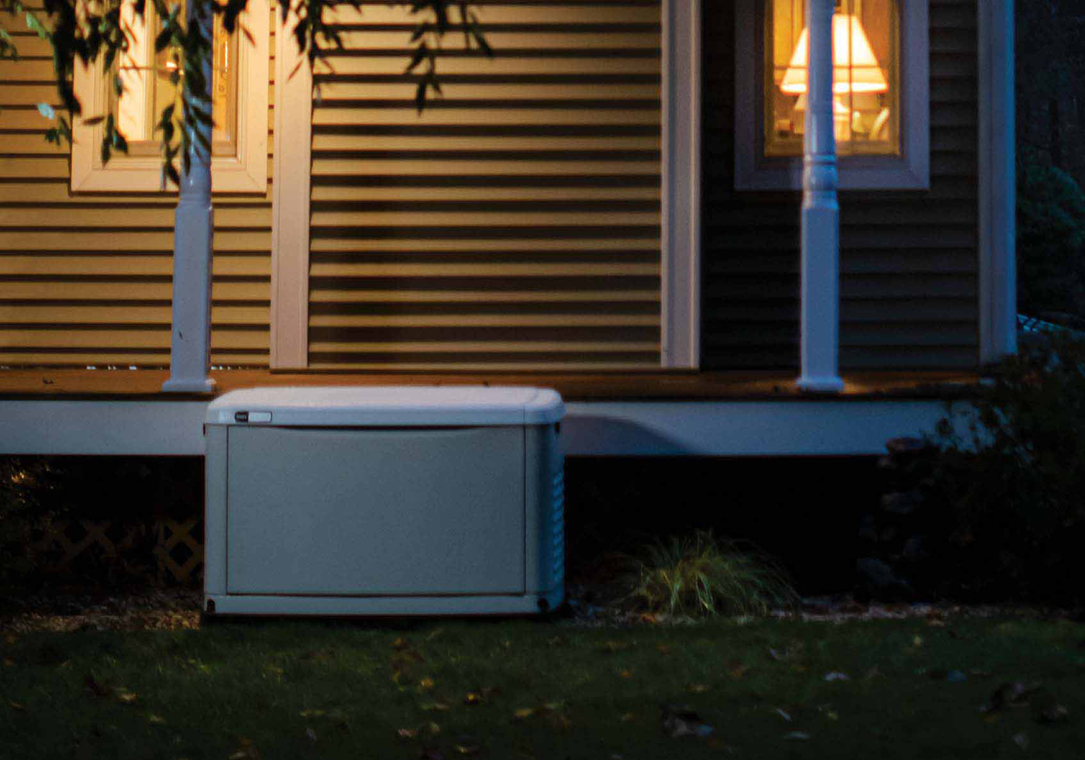
Standby generators are permanently installed outside your home and connect directly to your residential propane tank. They include an automatic transfer switch that detects a power outage and turns the generator on without any action needed from you. Depending on the unit, a standby generator can power your whole home or selected critical circuits. When the grid comes back, the transfer switch shuts the generator down automatically.
Portable Propane Generators
Portable generators offer targeted backup power for specific appliances or areas of your home. Unlike standby units, portable generators require you to set them up and start them manually when you need them. They must be operated outdoors in a well-ventilated area, away from windows, doors, and vents. For a deeper look at storm season generator planning, check out this hurricane preparedness blog.
Why Propane Is a Practical Choice for Storm Preparedness
Propane has several characteristics that make it a practical fuel for storm preparedness, regardless of interruptions to the power grid or fuel availability.
Propane is stored on-site in your residential tank, which means your fuel supply is available to you whether or not roads are passable or retail locations are open. According to the Propane Education and Research Council (PERC), propane does not degrade over time when stored properly, unlike gasoline. That makes propane a dependable choice for extended outages where refueling may not be immediately possible.
Propane also has a high energy density, which means it can power multiple appliances simultaneously over an extended period. Heating, cooking, hot water, and generator power can all run from the same tank, giving households meaningful flexibility during a prolonged outage.
Hurricane Season Propane Preparation Checklist
Use this checklist before hurricane season gets underway. The goal is simple: make sure you have enough fuel for an outage and that your system is ready to perform when it matters most.
Fuel and Delivery Readiness
- Check your tank level now, before any storm watches are issued. If you have Will Call delivery service with Ferrellgas, order when your tank reaches the minimum fill level required for delivery to help ensure you’re fueled and ready for hurricane season.
- When expecting a propane delivery, ensure your driveway, walkways, and tank are clear. Remove any dry leaves, grass, brush, wood, or debris from at least 10 feet around your tank to reduce fire risk and allow safe access for our Delivery Drivers.
Generator and Appliance Readiness
- Run a test on your standby generator to confirm it is functioning as expected, including the automatic transfer switch.
- Do a visual inspection of your portable or standby generator for obvious damage or debris. If you suspect damage, do not attempt repairs yourself and instead contact a qualified professional.
- Check visible fuel line connections for any signs of wear. Always contact a qualified professional if anything looks off.
- Confirm propane appliances like your stove, water heater, and backup heating equipment are functioning normally.
Propane Safety Awareness
- Like other outdoor appliances, portable generators should always be operated outside and away from windows, doors, and vents. Never use them indoors or in enclosed spaces to avoid the risk of potentially dangerous carbon monoxide buildup.
- To avoid potentially dangerous situations, homeowners in flood zones should securely anchor any large above-ground or underground propane tanks, as required by the National Fire Protection Association (NFPA).
- Install or test your existing gas and carbon monoxide detectors for an added measure of security. Be sure to follow the manufacturer's instructions for location, installation, testing, and maintenance.
- Know what to do if you smell gas or suspect a leak in your propane tank. During a power outage, use flashlights instead of candles because open flames can ignite leaking gas.
- If needed and safe to do so, you can shut off the propane supply at your tank by turning the hand wheel clockwise until it stops. In the event your gas is shut off during a storm, do not attempt to turn it back on until a qualified professional confirms it is safe.
- Listen to local authorities to determine if you need to evacuate. In the event of an evacuation, use extreme caution before returning to your property and leave the area immediately if you have doubts about your safety. A qualified building inspector or structural engineer should inspect the area before you re-enter.
- After the danger passes and when safe to do so, check your property for downed power lines, damaged gas lines, or damage to your propane tank. High winds and floods can move, shift, or damage gas lines and tanks. Immediately contact your local utility company or propane supplier if any of these hazards exist. Do not attempt repairs yourself.
- Immediately contact your propane supplier or local fire department if any of the following occurs: your propane tank has become dislodged, your tank is missing, or you find a tank on your property that is not yours.
Generator Maintenance: What to Do Before Storm Season
These steps are best completed before the first storm of the season, not during a storm watch.
Test Your Generator
Run a load test on your generator under normal operating conditions to confirm it powers the appliances and circuits you expect it to support. For standby units, verify that the automatic transfer switch activates correctly when power is cut. If the transfer switch does not respond as expected, contact a qualified professional for repairs. Do not wait until a storm is actively approaching.
Most manufacturers of residential propane generators recommend professional inspection and maintenance at least once a year to help ensure reliable performance during power outages. However, you should always follow your generator manufacturer’s specific service guidelines.
Perform Service and System Checks
Check your generator’s engine oil, air filters, fuel lines, and the area around the unit for any debris or obstructions. If anything looks off during your inspection, do not attempt repairs yourself. Contact a qualified professional to assess and address the issue safely.
Schedule a Professional Inspection
A pre-season safety inspection is the most reliable way to confirm your propane system is ready. This is particularly important if your generator has not been professionally serviced in the past year. Schedule an inspection with a qualified professional to identify any concerns before storm season arrives.
Refill and Delivery Planning Before a Storm
The time to think about your propane supply is before a storm watch is issued, not after. When a major storm is in the forecast, demand for deliveries increases significantly. Acting early gives you the best chance of receiving a timely fill. Because propane usage typically varies based on appliance demand and generator size, homeowners should avoid entering storm season without sufficient propane supply.
If you have Will Call delivery service, it’s important to regularly check your tank level instead of waiting for a storm threat. Place your order early, when your tank reaches the minimum fill level required for delivery. This helps ensure you’re prepared and fueled before hurricane season arrives. Customers can request refills by texting ORDER to 573-207-5975*, logging in to MyFerrellgas.com, or calling 888-337-7355.
Don't Wait for the Forecast
The best time to prepare is before you ever see a storm on the radar. A refilled tank, tested generator, and clear plan for your propane supply are the kind of preparations that take a few hours to get right but pay off for an entire season.
Ready to schedule a refill or learn more about storm preparedness? Contact Ferrellgas to connect with a Customer Service Professional who can help.
Propane Safety Tips
for Hurricane Season
*By texting ORDER, you agree to receive automated promotional text messages. Message and data rates may apply. Up to 50 messages per month. Reply STOP to unsubscribe or HELP for assistance. Messages are sent via automated systems. Delivery is subject to carrier availability. If you have pay-in-advance terms, you will be asked to pay using a secure link we will send from 573-207-5975.
CATEGORIES
Archives
- Fall 2026
- Summer 2026
- Spring 2026
- Winter 2025
- Fall 2025
- Summer 2025
- Spring 2025
- Winter 2024
- Fall 2024
- Summer 2024
- Spring 2024
- Winter 2023
- Fall 2023
- Summer 2023
- Spring 2023
- Winter 2022
- Fall 2022
- Summer 2022
- Spring 2022
- Winter 2021
- Fall 2021
- Summer 2021
- Spring 2021
- Winter 2020
- Fall 2020
- Summer 2020
- Spring 2020
- Winter 2019
- Fall 2019
- Summer 2019
- Spring 2019
- Winter 2018
- Fall 2018
- Summer 2018
- Spring 2018
- Winter 2017