

Understanding how propane behaves helps homeowners use it safely and confidently. This guide explains:
- Propane Behavior and Tank Fill Safety – Learn how propane behaves, the impact of it being heavier than air, and why tanks are not filled to 100% for safety reasons.
- Understanding Propane Safety – Review simple habits that support safe use and learn how industry-led safety standards and training guide propane service.
- Monitoring Your Propane Supply – Learn how to check your tank level and plan deliveries with confidence.
What It Means That Propane Is Heavier Than Air
Propane vapor is heavier than air, which means it settles toward the lowest available area instead of rising and dispersing upward. This characteristic plays an important role in how propane systems are designed, installed, and maintained for safe everyday use.
Because propane settles low, proper tank placement, ventilation, and routine maintenance are essential. Propane tanks are installed outdoors and positioned according to strict safety regulations so any released vapor can dissipate safely. Keeping tanks clear of ignition sources, maintaining open airflow around the tank, and ensuring emergency access are all part of reducing risk and supporting safe operation.
Propane system maintenance also matters. Regular inspections, adherence to safe propane use, clear ventilation, and access to equipment all help ensure your tank and appliances continue operating safely and efficiently. Whether a tank is installed above ground or underground, following the National Fire Protection Association (NFPA) 58 requirements for placement, accessibility, and upkeep is an important part of protecting customers and employees. For those who lease a tank, maintenance is handled by your propane supplier. If you own your tank, your propane supplier or a licensed professional can help coordinate required inspections and service.
Under the dome of your propane tank are several key components, including the fill valve, shut-off valve, safety relief valve, regulator, and tank gauge. Together, these parts help control pressure and support safe operation. If you ever have questions about your tank, its capacity, or what the gauge reading means, your propane supplier can help explain what you’re seeing and ensure everything is operating as intended.
Understanding how propane behaves helps explain why these safety and maintenance practices are so important, and why working with a qualified propane supplier plays a key role in long-term system reliability.
Why Propane Tanks Are Not Filled to 100%
Propane is stored as a liquid under pressure. When temperatures rise, that liquid expands and creates additional pressure inside the tank. Leaving space inside the tank allows propane to safely expand from liquid to vapor without creating unsafe pressure levels, which are standards outlined in NFPA 58, also known as the Liquefied Petroleum Gas Code. This is why propane tanks are never filled to 100% and why your propane tank gauge should never read as 100% full. Instead, tanks are typically filled to about 80% capacity. For example, a 500-gallon propane tank can safely hold up to 400 gallons of propane.
Understanding Propane Safety
Everyday Propane Safety Basics
Using propane safely starts with understanding how your system works and following everyday best practices. Propane systems are designed with safety in mind, and smart usage habits can help with safe operation at home. Safety basics include:
- Before you dig, contact 811 to help you locate underground utility lines such as electricity, water, and sewer. A local professional service or your propane provider can identify where propane lines are buried. These steps help avoid accidental damage.
- Know what to do if you smell propane or suspect a leak. Leave the area immediately, call for emergency assistance from a safe distance, and wait for professionals to confirm it’s safe.
- Keep propane tanks away from ignition sources like open flames, electrical outlets, and flammable materials. If your tank is above ground, remember to remove all leaves, brush, and other debris from at least 10 feet around the tank to reduce fire risk and allow safe access for deliveries and inspections.
- Maintain proper airflow around your tank to prevent gas buildup and allow any potential leaks to dissipate. If your tank is in an enclosed or partially covered area, proper ventilation is key.
- Ensure proper ventilation of your propane system. Check your chimney, flue pipes, and vents for any blockages or debris, and use a broom to carefully clear them if needed. It’s also recommended to check that propane-powered appliances are well-ventilated, especially if being used in enclosed spaces. These steps help maintain proper airflow and reduce the possibility of dangerous carbon monoxide buildup.
- Schedule regular inspections and maintenance for your heating system with a qualified professional. Regular tune-ups help ensure your equipment operates safely and efficiently.
- Follow guidelines for safe propane usage. Never use a grill or stove for indoor space heating. This also applies to propane space heaters unless they are approved for indoors. Portable generators and propane cylinders also belong outside. Keep them in well-ventilated areas away from windows or doors and never use these or other outdoor propane appliances in enclosed areas. You can’t see or smell carbon monoxide, so proper ventilation is necessary for safe operation.
- Install gas and carbon monoxide detectors for an additional measure of security. Choose models certified by Underwriters Laboratories (UL), a nationally recognized safety organization, and install them in recommended locations. Be sure to follow the manufacturer's instructions for location, installation, testing, and maintenance.
For more information about propane safety, visit our resources page and review this Propane Safety Brochure.
What to Do If You Smell Gas
Propane has a strong “rotten egg” smell, thanks to an added chemical called ethyl mercaptan, which makes identifying leaks easier. If you smell gas or suspect a leak, act immediately. Leave the area right away, ensuring that everyone else does the same. Once you are at a safe distance, call 911 and Ferrellgas at 888-337-7355. Our team will respond as quickly and safely as possible. If it is safe to do so, turn off the main gas supply valve on your tank. To shut it off, turn the hand wheel clockwise until it stops. Do not return to the area until a professional has confirmed it is safe. Your safety is the top priority, so always wait for official clearance before going back.
How Propane Suppliers Help Keep Customers Safe
Propane safety is built on more than equipment alone. It relies on proper installation, ongoing maintenance, and adherence to industry safety standards. Professional propane suppliers play an important role in helping ensure propane systems are installed and supported correctly from the start.
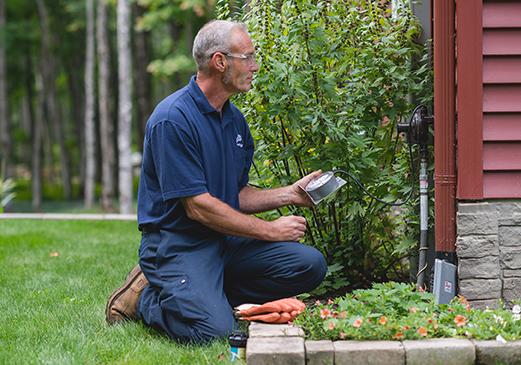
Tanks are installed according to NFPA 58 guidelines and local regulations, ensuring proper placement, ventilation, and clear access. Propane suppliers also perform inspections during installations and deliveries when needed. Because every customer is different, proper propane tank placement requires experience and training. Propane suppliers assess site conditions, follow zoning and safety codes, and help ensure tanks are installed on stable surfaces with appropriate clearances.
Safety is also supported through education and professional development. Ferrellgas employees complete extensive classroom and hands-on training, and customers have access to propane safety resources that explain how systems operate, how to prepare for seasonal weather changes, and what to do during emergency situations.
Adherence to industry guidance from organizations such as the Propane Education & Research Council (PERC) helps reinforce safe handling and delivery practices. If you have questions about tank placement, maintenance responsibilities, or safety standards, contact Ferrellgas or your propane supplier.
Importance of Monitoring Your Propane Supply
Most propane tanks have a gauge located under the dome that displays the percentage of propane remaining. Because propane naturally expands and contracts with temperature changes, gauge readings may vary slightly based on weather conditions. Monitoring your propane tank level helps you understand usage patterns and, for those who self-manage their propane orders, plan deliveries accordingly.
Ferrellgas customers with Will Call delivery service should place an order when the tank level reaches 30% or at least 7 business days before needing propane. To place an order, just text ORDER to 573-207-5975**, log in to MyFerrellgas.com, or call 888-337-7355.
For automatically scheduled deliveries, qualified Ferrellgas customers can enroll in our Auto Fill delivery service,* which uses local weather data and your unique usage patterns to estimate when you're ready for a fill. Then Ferrellgas automatically schedules it for you. This service can also be paired with a digital tank monitor* for even greater confidence and convenience.
*Qualification and active credit status are required for Auto Fill service. Availability and cost of digital tank monitors may vary by location.
Connect With a Propane Supplier You Can Trust
When it comes to propane safety, tank installation, or delivery options, working with a trusted propane supplier makes a difference. Ferrellgas provides dependable propane service supported by trained professionals and industry-led safety standards. Contact us to connect with a Customer Service Professional who can provide guidance tailored to your unique propane needs.
Ferrellgas' Unparalleled
Safety Standards
**By texting ORDER, you agree to receive automated promotional text messages. Message and data rates may apply. Up to 10 messages per month. Reply STOP to unsubscribe or HELP for assistance. Messages are sent via automated systems. Delivery is subject to carrier availability. If you have pay-in-advance terms, you will be asked to pay using a secure link we will send from 573-207-5975.